MEDINDIA
 English
 हिन्दी
 Español
 français
 中文
中文
Study says risk of ischemic events high in ACS patients with high residual platelet reactivity
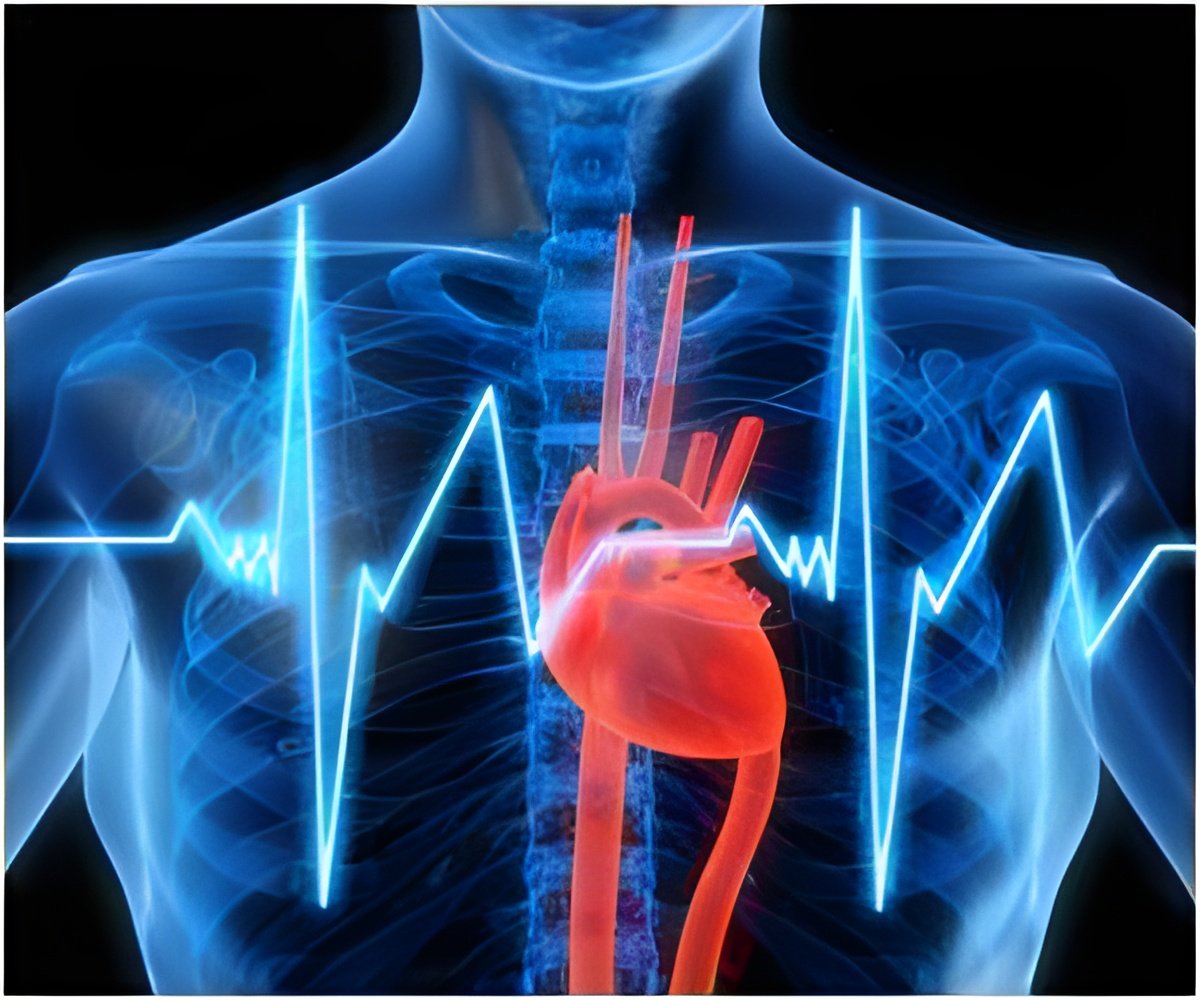

Heart Attack - Overview
Heart attack is the death of the heart muscle due to loss of blood supply. Heart disease is the leading cause of death in the United States. Other names for heart attack include acute myocardial infarction, coronary thrombosis, and coronary occlusion.
Heart attack is the death of the heart muscle due to loss of blood supply. Heart disease is the leading cause of death in the United States. Other names for heart attack include acute myocardial infarction, coronary thrombosis, and coronary occlusion.
The researchers found that the primary end point event rate was 14.6 percent (36/247) in the HRPR group and 8.7 percent (132/1,525) in the low residual platelet reactivity group (LRPR). The difference in the event rate was driven by the difference in cardiac mortality, which was 9.7 percent in the HRPR group and 4.3 percent in the LRPR group. The stent thrombosis rate was 2-fold higher in the HRPR group (6.1 percent [15/247] vs. 2.9 percent [44/1,525]). Additional analysis indicated that HRPR was independently associated with a 49 percent increased risk of the primary end point and a 81 percent increased risk of cardiac mortality.
The authors write that "the results of this study should be considered only as hypothesis generating for further studies of tailored therapy using new antithrombotic agents."
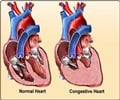
Congestive Heart Failure (Congestive Cardiac Failure) Current Management
Congestive heart failure (CHF) is a condition in which the heart fails to work adequately as a pump that can deliver oxygen rich blood to the body.
Congestive heart failure (CHF) is a condition in which the heart fails to work adequately as a pump that can deliver oxygen rich blood to the body.
Editor's Note: Please see the article for additional information, including other authors, author contributions and affiliations, financial disclosures, funding and support, etc.
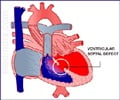
Congenital Heart Disease – Septal Defects
Heart diseases that are present at birth are called “ Congenital heart diseases”.
Heart diseases that are present at birth are called “ Congenital heart diseases”.
Dominick J. Angiolillo, M.D., Ph.D., of the University of Florida College of Medicine-Jacksonville, comments in an accompanying editorial on the use of platelet function testing.

Diet, Lifestyle and Heart Disease
The correlation between diet, lifestyle and heart disease. The importance of balanced diet life style and exercise for controlling heart disease.
The correlation between diet, lifestyle and heart disease. The importance of balanced diet life style and exercise for controlling heart disease.
(JAMA. 2011;306[10]:1260-1261. Available pre-embargo to the media at www.jamamedia.org)
Editor's Note: Please see the article for additional information, including financial disclosures, funding and support, etc.
Source-Eurekalert
 Email
Email