Here’s good news for meat lovers - red meat can play a vital role in a healthy diet; just ensure that the meat is lean and the servings moderate.
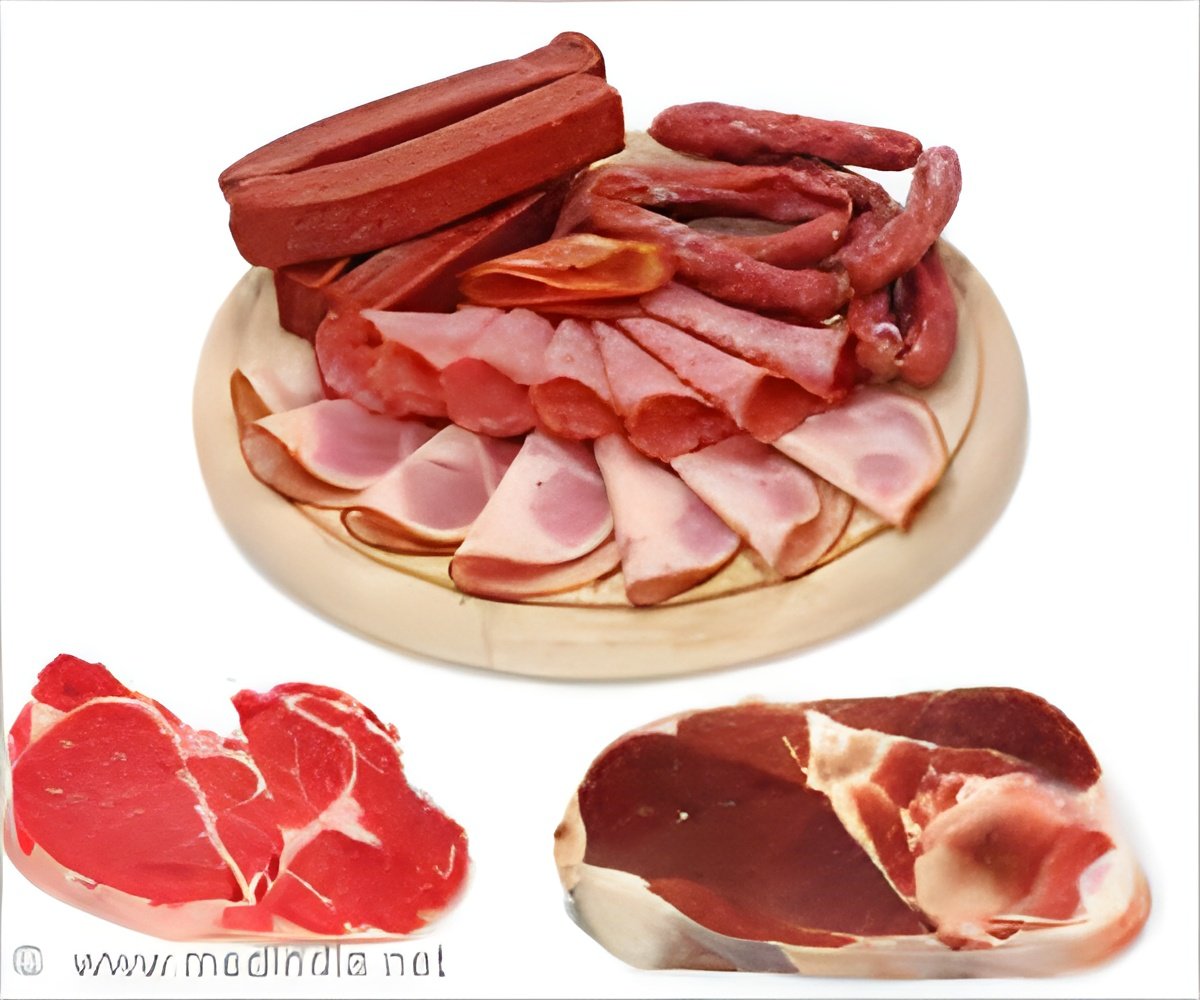
The good news for meat lovers is that red meat can play a valuable role in a healthy diet - just make sure the cuts are lean and trimmed of fat and the serving sizes are moderate.
Myth: Red meat is bad for your heart and cannot be included in heart healthy diets
Fact: It depends on the type of meat you choose. A review of 54 studies on red meat and heart disease found that lean red meat trimmed of visible fat does not raise total cholesterol or LDL cholesterol levels. Lean trimmed red meat is low in saturated fat and can be included in cholesterol lowering and heart healthy diets. A number of studies have shown cholesterol reductions when people include lean red meat in a low saturated fat diet. Avoid fried meats, fatty meats and meat which has fat marbled through it.
It is well recognized that plant protein (such as tofu) is associated with lower blood pressure. Recent studies have shown that animal protein in the form of lean red meat is also inversely related to lower blood pressure. A study comparing two groups of moderate hypertensive patients fed one group 250g per day of lean red meat in place of the carbohydrate-rich foods that the control group was receiving. Systolic blood pressures were lower in the group which was given meat. It is thought that certain amino acids, taurine and arginine, in the meat may have helped to lower blood pressure. The diet containing meat was also lower in sodium due to the low salt content of fresh meat.
| Cholesterol content of various foods (mg per 100g)* | |
| Beef | 50 |
| Veal | 51 |
| Lamb | 6 |
| Mutton | 6 |
| Beef liver | 271 |
| Beef kidney | 313 |
| Beef heart | 103 |
| Lamb brain | 1352 |
| Egg, boiled | 385 |
| Chicken (meat only) | 76 |
| Duck | 110 |
| Cod fish | 60 |
* Data for red meats is for Australian products from Williams P, (2007) Nutr & Diet.,64(S4)S113-119
* Cholesterol levels may vary by country of origin as feeding methods vary
(Ref: McCance and Widdowson, 1991)
Myth: Red meat only contains saturated fats
Fact: Fat content and type of fat in meat depends on the type of meat and the feeding protocol. However red meat provides saturated, monounsaturated and polyunsaturated fats. Analysis on lean fat trimmed Australian red meat (which is pasture fed) has shown a ratio of saturated fatty acids (SFA) to monounsaturated fatty acids (MUFA) to polyunsaturated fatty acids (PUFA) of around 24:40:14. Part of the SFA is stearic acid which has been shown not to raise cholesterol levels.
Food tables from the UK which analysed cooked beef (lean and fat) found a SFA: MUFA: PUFA ratio of about 27:30:2.6 (McCance and Widdowson, 1991)
Research from Australia has found that red meat contributes about the same amount of omega 3 fatty acids to the average diet as fish. The contribution in Asia has not been measured. However it is likely to be lower as fish intakes tend to be higher.
Myth: People trying to lose weight should avoid red meat
Fact: New studies have shown that a higher protein diet including lean red meat is a valid option for people trying to lose weight. Protein foods tend to be nutrient dense and are more satisfying than carbohydrate foods. A study by the CSIRO Australia found that a high protein low energy weight loss diet that included lean red meat, resulted in the same amount of weight loss as a high carbohydrate diet. However the amount of body fat loss (as opposed to lean muscle mass) was greater on the higher protein diet.
Myth: We should eliminate red meat from the diet to avoid cancer
Fact: Studies on red meat and cancer are difficult to generalize because of the various definitions of what constitutes red meat, the inclusion of processed meats in some studies and variations in the fat levels of the meat.
A 2007 symposium on the role of diet and lifestyle in cancer prevention reported that the main factors associated with an increased risk of cancer appear to be obesity, lack of physical activity, smoking and alcohol. The symposium found that consumption of red meat appears to be weakly associated with bowel cancer and recommended people choose no more than three to four servings of lean meats weekly.
The World Cancer Research Fund (2007) recommendation is to eat no more than 500g of red meat (beef, lamb, pork or goat) a week and to make sure the meat is lean and trimmed of fat. The Report further recommends that processed meats (such as ham, bacon, salami, frankfurts) should be avoided or taken only occasionally in small amounts.
Myth: Red meat causes gout
Fact: Gout is actually a form of arthritis which is caused by a build up of uric acid crystals. It is characterized by pain and inflammation in joints and is generally treated by weight loss and medication. Sufferers are sometimes advised to cut back on foods high in purine (organ meats, offal, shellfish, anchovies and sardines) because a high intake of purines can raise uric acid levels.
Source: [email protected]
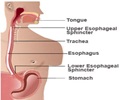
Gastroesophageal Reflux Disease (GERD) - Treatment and Prognosis
Gastroesophageal Reflux Disease (GERD) is usually treated with antacids and other medications. The prognosis of GERD is extremely good
Gastroesophageal Reflux Disease (GERD) is usually treated with antacids and other medications. The prognosis of GERD is extremely good