MEDINDIA
 English
 हिन्दी
 Español
 français
 中文
中文
People suffering from aphasia can improve their communication with the use of a virtual reality world - EVA Park - developed by researchers.
Study: Strengthen Speech Networks to Treat Aphasia
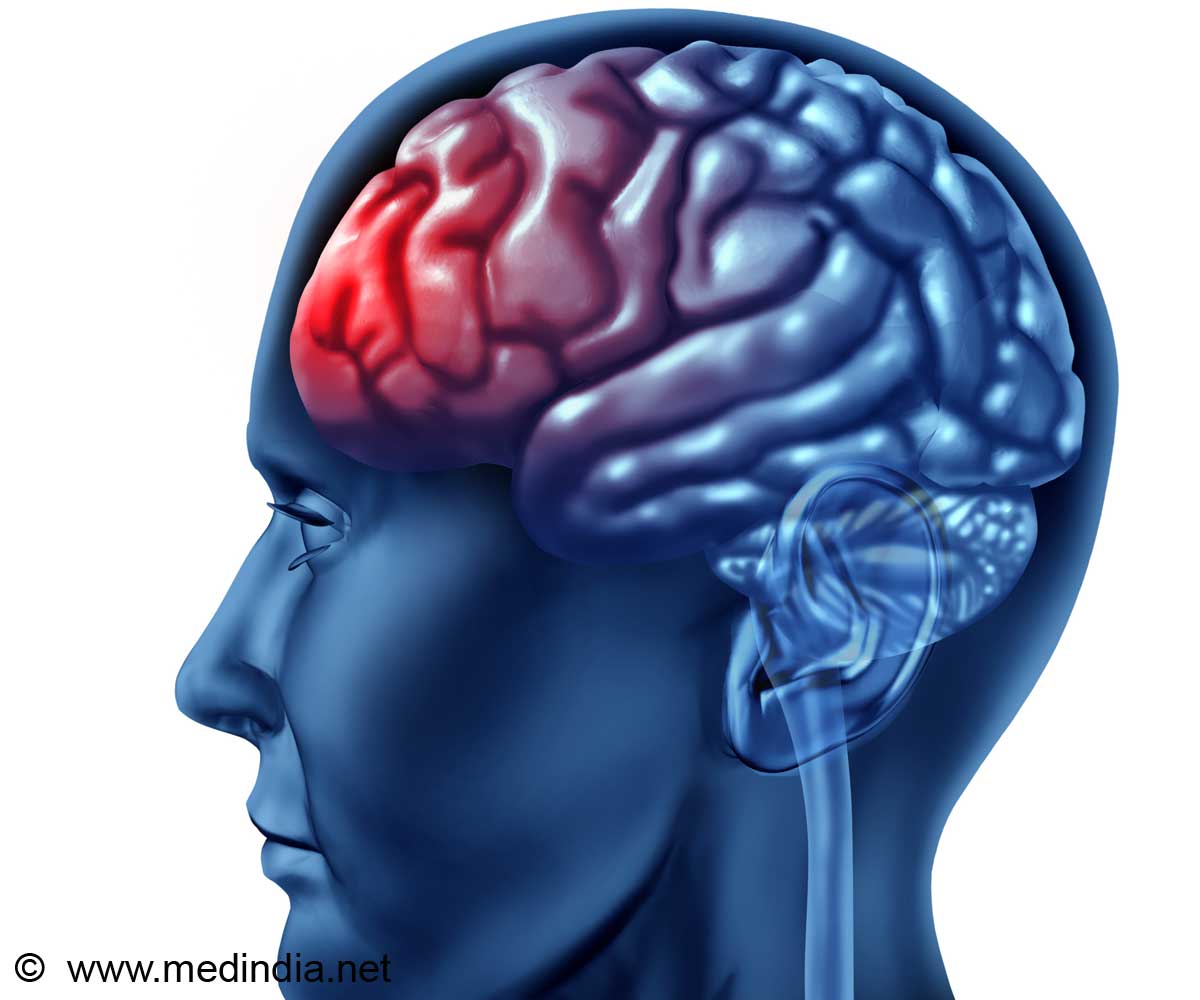
For both the victims and their loved ones, aphasia, an impairment in speaking and understanding language after a stroke, is frustrating.
For both the victims and their loved ones, aphasia, an impairment in speaking and understanding language after a stroke, is frustrating.
TOP INSIGHT

People suffering from aphasia can improve their communication with the use of a virtual reality world - EVA Park - developed by researchers from the City University London.
For the study, the EVA Park team took 20 participants with aphasia having an average age was 57.8 and gave them five weeks intervention. During this time participants received 25 daily language stimulation sessions in EVA Park lasting around an hour. Sessions were led by support workers, most of whom were qualified speech and language therapists.
Participants spent an average of 40 hours in EVA Park showing that they were very accepting of the space and even used it outside their scheduled sessions with the support worker.

Aphasia - Motor Aphasia Causes Types Diagnosis Therapy
Aphasia is a condition where the patient has a language disorder. The patient has problems with comprehension, expression, repetition, reading and writing.
Aphasia is a condition where the patient has a language disorder. The patient has problems with comprehension, expression, repetition, reading and writing.
The study, which is published in the journal PLOS ONE, is the first exploration of multi-user virtual reality in aphasia therapy and shows the potential for technology to play an important role in improving the everyday lives of people with the condition.
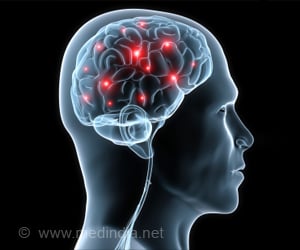
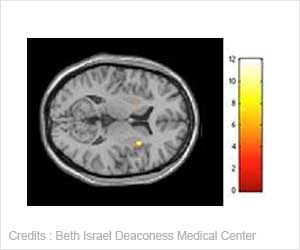
Post-Stroke Aphasia Recovery Hindered by Shift of Language Function to Right Hemisphere
A compensatory reorganization of language function to right hemispheric brain regions bodes poorly for language recovery among stroke patients, researchers have found.
A compensatory reorganization of language function to right hemispheric brain regions bodes poorly for language recovery among stroke patients, researchers have found.

Groundbreaking Research on Aphasia and the Neurolinguistic Systems
An estimated one million Americans suffer from aphasia, affecting their ability to understand and/or produce spoken and/or written language.
An estimated one million Americans suffer from aphasia, affecting their ability to understand and/or produce spoken and/or written language.
 Email
Email