MEDINDIA
 English
 हिन्दी
 Español
 français
 中文
中文
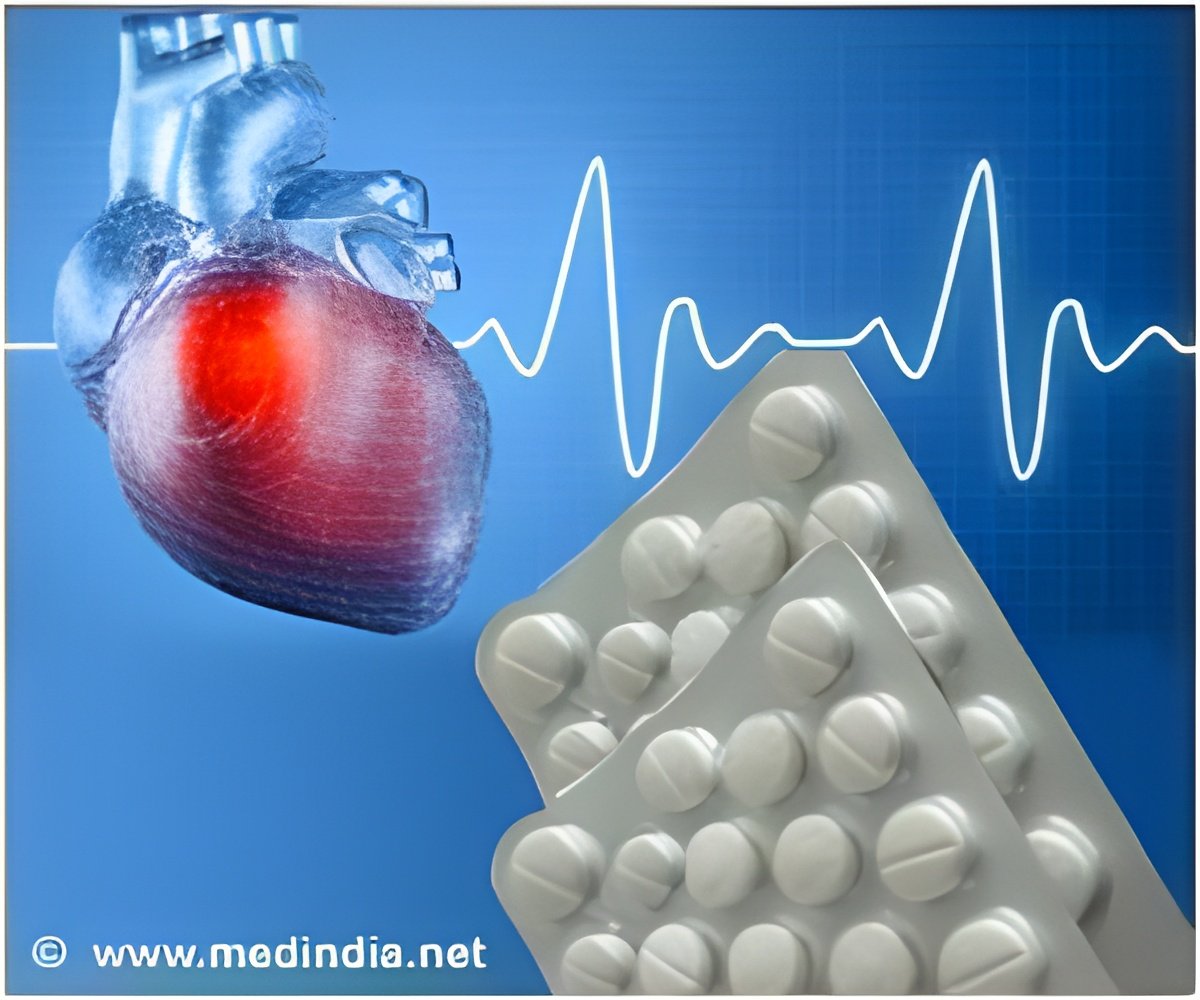
In heart disease patients, taking evolocumab in addition to a statin decreased the cardiovascular events such as stroke and heart attack, reported new research.
Statins - The New Wonder Drug
Statins are new wonder drugs that are proving to be efficacious, not merely in relieving symptoms but also offering several health benefits.
Statins are new wonder drugs that are proving to be efficacious, not merely in relieving symptoms but also offering several health benefits.
TOP INSIGHT

Evolocumab with statins does not cause memory loss and mental skills.
Researchers in this study looked at the self-reported Everyday Cognition study results from 22,655 patients in the original FOURIER trial, which was completed after a median duration of 2.2 years. The percentage of patients who reported cognitive decline at the end of the study was similar for placebo vs. those taking evolocumab, both for total score 3.6% vs. 3.7%, respectively, and for subdomains (memory 5.8% vs. 6% and total executive function 3.6% vs. 3.7%, respectively). The proportion reporting cognitive decline was similar in patients who achieved very low LDL-C levels (<20 mg/dL) vs. those with LDL-C ≥100 mg/dL, with scores of 3.8% vs. 4.5%, respectively.
"These data confirm the neurocognitive safety of intensive LDL-C reduction with evolocumab, while simultaneously reducing recurrent cardiovascular events in high-risk patients, and suggest that very low achieved LDL-C levels may be safely targeted for high-risk patients," said Robert P. Giugliano, MD, SM, corresponding author of the study and senior investigator of the TIMI Study Group at Brigham, Women's Hospital and Professor of Medicine at Harvard Medical School in Boston. The patient-reported outcomes of this comprehensive study in over 22,000 patients build upon the results of the EBBINGHAUS trial, which demonstrated evolocumab added to background statin did not affect cognitive performances using a validated battery of neurocognitive tests performed serially in a subset of 1,204 patients enrolled in the FOURIER trial.

This study has several limitations, including a healthy volunteer bias in the cognitive survey responders, the relatively younger age of the participants, and the low proportion of patients with a history of stroke.
Stroke Risk Calculator
Stroke Risk Calculator checks if you have hypertension, diabetes and heart failure and predicts the risk of stroke (cerebrovascular accident) in next 10 years.
Stroke Risk Calculator checks if you have hypertension, diabetes and heart failure and predicts the risk of stroke (cerebrovascular accident) in next 10 years.
Source-Eurekalert

Pregnant Women with Heart Disease Require Specialized Care
Pregnant women with cardiovascular conditions should receive special care by a cardio-obstetrics team or health care providers experienced in high-risk pregnancies to provide maternity care for the mother and fetus.
Pregnant women with cardiovascular conditions should receive special care by a cardio-obstetrics team or health care providers experienced in high-risk pregnancies to provide maternity care for the mother and fetus.
 Email
Email