MEDINDIA
 English
 हिन्दी
 Español
 français
 中文
中文
Although long considered mere "brain glue," astrocytes are now recognized for their essential role, besides their precise involvement being poorly understood.
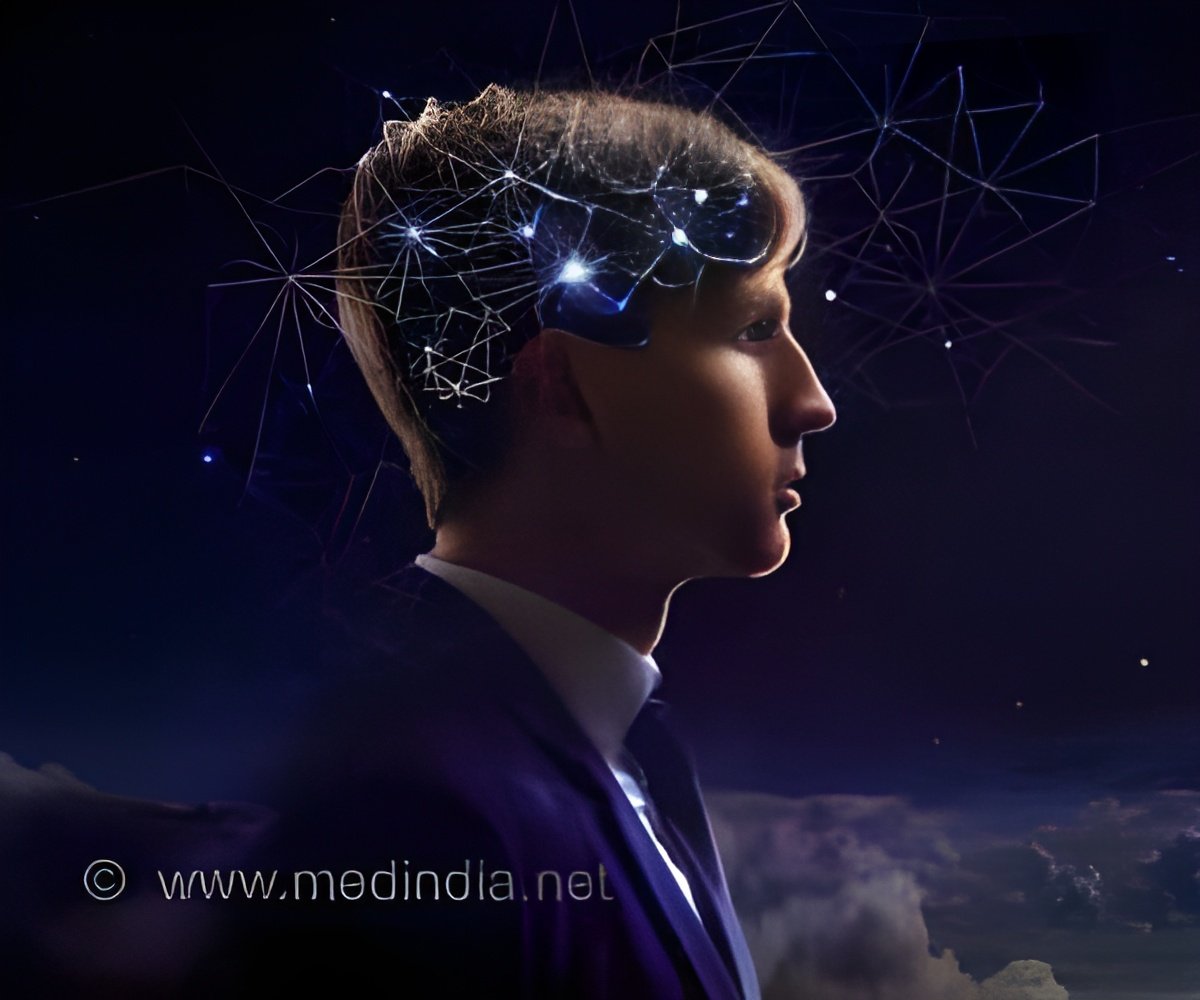
Beyond Neurons: Astrocytes Key to Learning Skilled Movements
New study challenges the conventional belief that only neurons are responsible for executing skilled movements.
New study challenges the conventional belief that only neurons are responsible for executing skilled movements.
TOP INSIGHT

Despite the growing appreciation for astrocytes’ function — the star-shaped neuronal cells, much remains unknown about the role these cells play in helping neurons and the brain process information.
The piece explores how astrocytes may be a key player in the brain’s ability to process external and internal information simultaneously.
“More research on these cells is necessary to understand their role in the process that allows a person to have an appropriate behavioral response and also the ability to create a relevant memory to guide future behavior.”
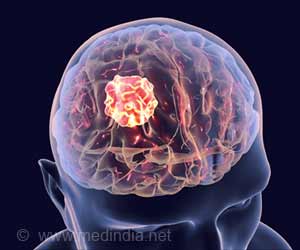
Autism Symptoms Linked to Astrocytes
Abnormalities in astrocytes (a type of brain cell) may play a pivotal role in causing behavioral symptoms of autism spectrum disorders.
Abnormalities in astrocytes (a type of brain cell) may play a pivotal role in causing behavioral symptoms of autism spectrum disorders.
Guiding Information in the Brain
How our body integrates external with internal information is essential to survival. When something goes awry in these processes, behavioral or psychiatric symptoms may emerge. Smith and co-authors point to evidence that astrocytes may play a key role in this process.Previous research has shown astrocytes sense the moment neurons send a message and can simultaneously sense sensory inputs. These external signals could come from various senses such as sight or smell.
Glioblastoma Multiforme | Astrocytoma Grade 4 - Types, Causes, Symptoms, Diagnosis, Treatment
Glioblastomas are tumors that arise from astrocytes that make up the supportive tissue of the brain. Glioblastomas are usually highly malignant.
Glioblastomas are tumors that arise from astrocytes that make up the supportive tissue of the brain. Glioblastomas are usually highly malignant.
The authors hypothesize that this astrocytic Ca2+ signaling may be an underlying factor in how neurons communicate and what may happen when a signal is disrupted. But much is still unknown in how astrocytes and neuromodulators, the signals sent between neurons, work together.
Building on the Past to Reach the Future
Smith has spent his career studying astrocytes. As a graduate student at the University of Rochester School of Medicine and Dentistry, Smith was part of the team who discovered an expanded role for astrocytes.Apart from absorbing excess potassium, astrocytes themselves could cause potassium levels around the neuron to drop, halting neuronal signaling. This research showed, for the first time, that astrocytes did more than tend to neurons, they also could influence the actions of neurons.
“I think once we understand how astrocytes integrate external information from these different internal states, we can better understand certain neurological diseases. Understanding their role more fully will help propel the future possibility of targeting astrocytes in neurological disease,” said Smith.
The communication between neurons and astrocytes is far more complicated than previously thought. Evidence suggests that astrocytes can sense and react to change—a process that is important for behavioral shifts and memory formation.
Authors believe discovering more about astrocytes will lead to a better understanding of the cognitive function and lead to advances in treatment and care.
Source-Eurekalert
 Email
Email