MEDINDIA
 English
 हिन्दी
 Español
 français
 中文
中文
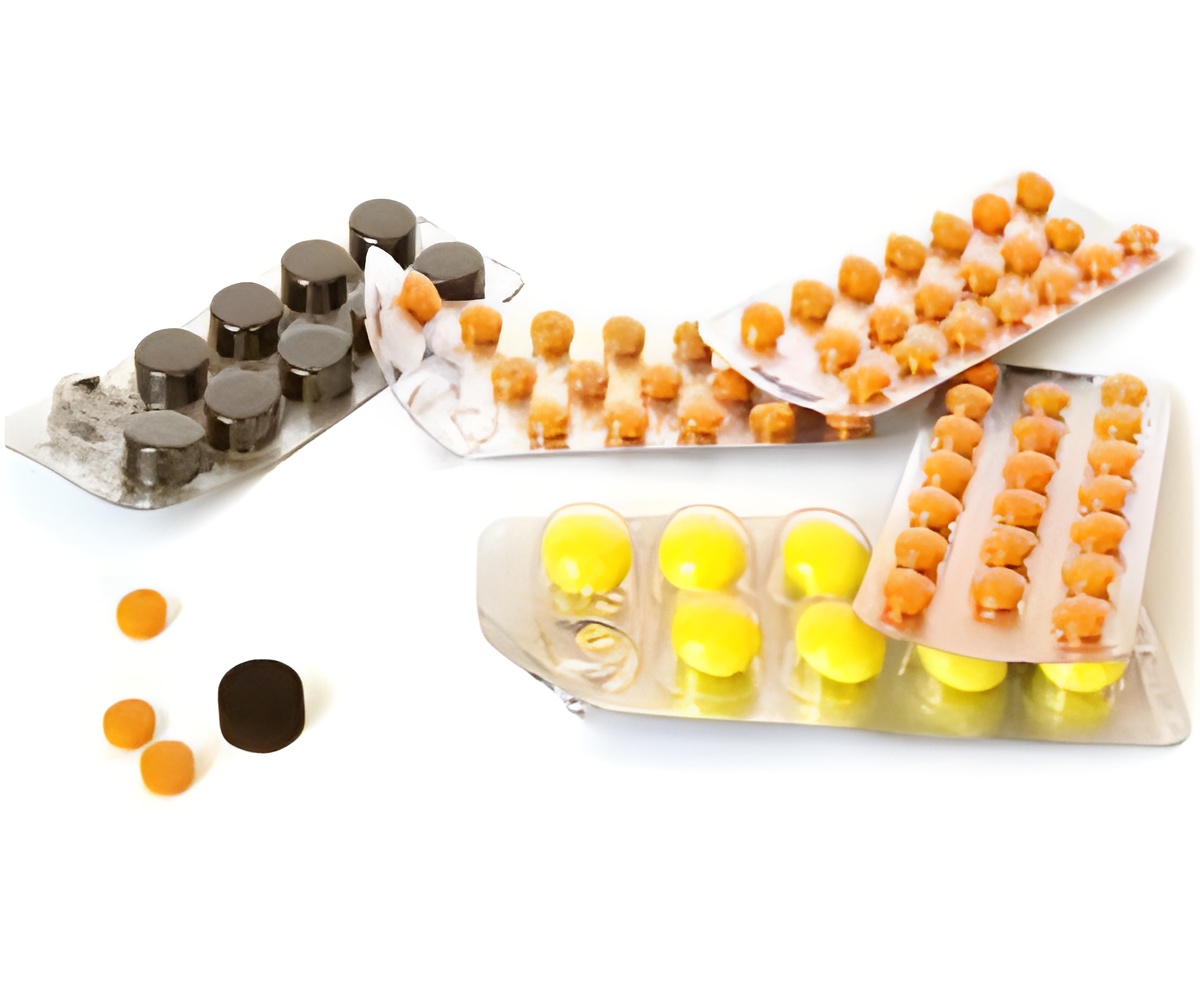
SGLT2 inhibitors, a common diabetes medication, may help protect the heart and reduce hospital visits for cancer patients, especially those undergoing chemotherapy.
Impact of sodium-glucose cotransporter-2 inhibitors on heart failure outcomes in cancer patients and survivors: a systematic review and meta-analysis
Go to source). But a new study published shows that a type of diabetes medication, called an SGLT2 inhibitor, may help protect the heart during and after cancer treatment.
This is the first time that any medication has been shown to be beneficial in reducing heart failure or heart failure hospitalisation in cancer patients and survivors. The medication appears to lower the risk of heart failure and unplanned hospital visits related to heart failure by more than 50 per cent.

Diabetes Drug Tied to Lowered Colorectal Cancer Risk
Drugs known as glucagon-like peptide-1 receptor agonists, prescribed for type 2 diabetes, could lower the likelihood of developing colorectal cancer.
Drugs known as glucagon-like peptide-1 receptor agonists, prescribed for type 2 diabetes, could lower the likelihood of developing colorectal cancer.
TOP INSIGHT

Did You Know?
The word "cancer" comes from the Greek physician Hippocrates, who used the terms carcinos and carcinoma to describe the disease. These words mean "crab" in Greek, likely because the finger-like projections of a tumor resemble the shape of a crab! #medindia #cancer #hippocrates
Promising Findings for Breast Cancer Patients
The benefits were found to be particularly promising for breast cancer patients receiving a common chemotherapy type called anthracycline chemotherapy, which can affect heart health.Lead researcher Prof Vassilios Vassiliou, from UEA’s Norwich Medical School and Consultant Cardiologist at the Norfolk and Norwich University Hospital, said: “Cancer is currently one of the leading causes of premature death worldwide. Chemotherapy has played an instrumental role in improving patient outcomes. But up to 20 per cent of cancer patients who have had chemotherapy go on to develop heart problems, with up to 10 per cent having heart failure.”
“We know that a type of diabetes medication called SGLT2 inhibitors are recognised for their cardiovascular benefits. They can improve the symptoms of heart failure such as breathlessness and tiredness, and also reduce people’s risk of becoming frail. We wanted to see whether SGLT2 inhibitors could help protect the heart during and after cancer treatment.”

Beneficial Effects of Type 2 Diabetes Drug in Head and Neck Cancer Patients
New research shows beneficial effects of diabetes treatment drug such as metformin in head and neck cancer patients.
New research shows beneficial effects of diabetes treatment drug such as metformin in head and neck cancer patients.
Significant Reduction in Heart Failure Hospital Admissions
Analysing 13 studies with a total of 88,273 cancer patients and survivors, the team found that hospital admissions for heart failure were reduced by half. The effect was especially striking in breast cancer patients undergoing anthracycline chemotherapy, offering a promising breakthrough in patient careThe number of new heart failure cases appeared to fall by more than two-thirds (71 per cent), suggesting these pills might help protect the heart during and after cancer treatment, though the research team say that more research is needed to confirm these findings.

Use Of Diabetes Drug 'Actos' Not Linked to Increase Bladder Cancer Risk
A long-term data from 200,000 diabetes patients showed no statistically significant association between taking Actos and increased risk of bladder cancer.
A long-term data from 200,000 diabetes patients showed no statistically significant association between taking Actos and increased risk of bladder cancer.
Impact of SGLT2 Medications on Cancer Treatment Recovery
Prof Vassiliou said: “What we found is that SGLT2 inhibitors may help protect the heart during and after cancer treatment. These medications significantly lowered the risk of heart failure and reduced hospital visits related to heart failure.”“The benefits are particularly promising for breast cancer patients receiving a common type of chemotherapy called anthracycline chemotherapy,” he added.
“We hope that this type of medication could in future be used as routine for cancer patients.”
Reference:
- Impact of sodium-glucose cotransporter-2 inhibitors on heart failure outcomes in cancer patients and survivors: a systematic review and meta-analysis - (https://academic.oup.com/eurjpc/advance-article/doi/10.1093/eurjpc/zwaf026/8026523?login=false)
Source-University of East Anglia
Specific Diabetic Drug is Now Safe for Cancer Patients With Kidney Concerns
Contrary to concerns, GLP-1RA medications don’t appear to elevate AKI risk in patients undergoing cancer treatment.
Contrary to concerns, GLP-1RA medications don’t appear to elevate AKI risk in patients undergoing cancer treatment.
 Email
Email