MEDINDIA
 English
 हिन्दी
 Español
 français
 中文
中文
Very-Early-Onset-Inflammatory Bowel Disease affects four out of every 100,000 births worldwide. New research found that mutation in the genes that produce antiviral proteins is one of the causes of this disease.
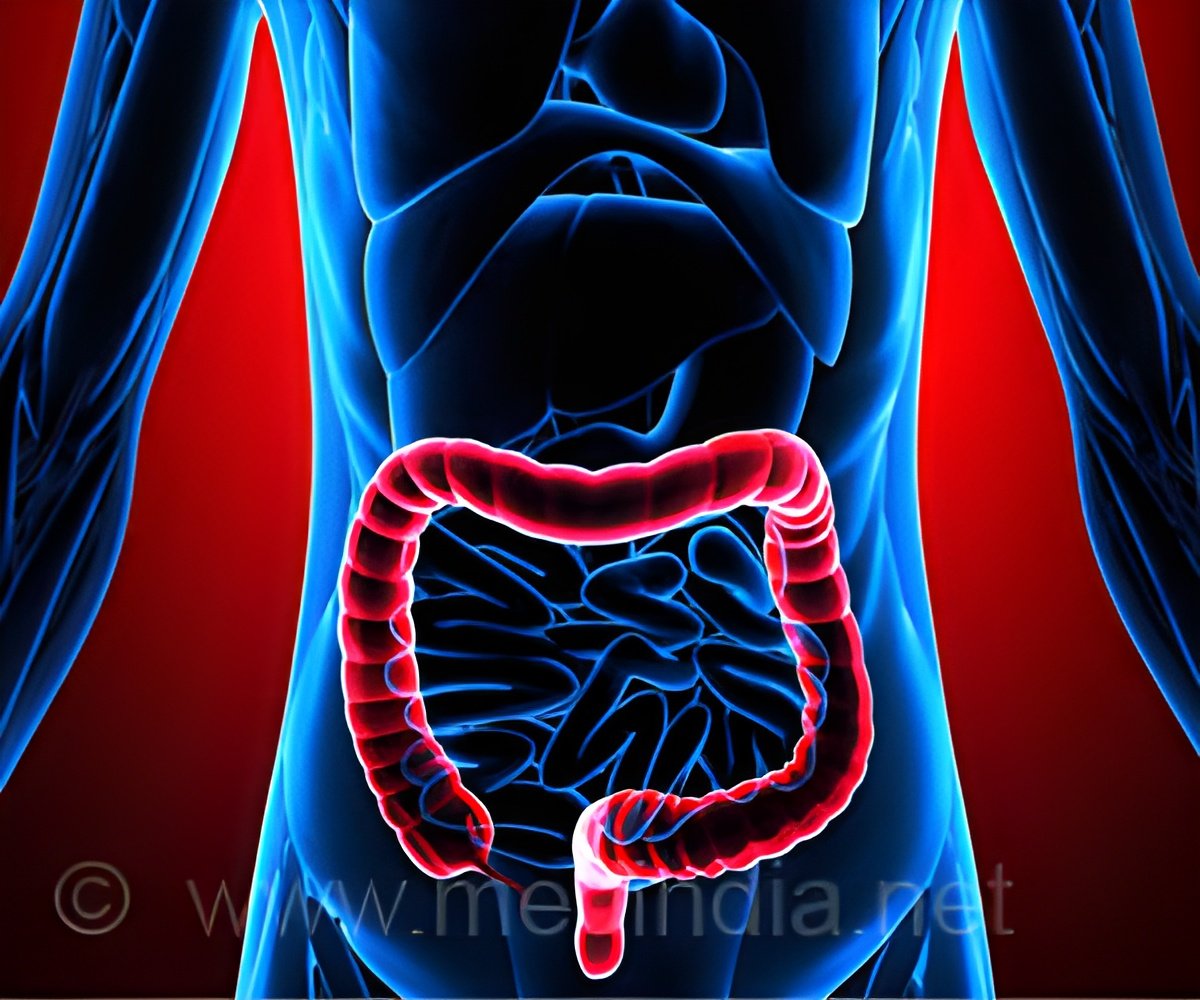
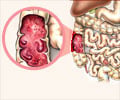
Inflammatory Bowel Disease - Causes, Symptoms, Diagnosis, Treatment & Prevention
Inflammatory bowel disease involves chronic inflammation of the colon and small intestine. Symptoms include diarrhea, abdominal pain and weight loss.
Inflammatory bowel disease involves chronic inflammation of the colon and small intestine. Symptoms include diarrhea, abdominal pain and weight loss.
TOP INSIGHT

MDA5 proteins fight against viruses that invade the gut. When mutations occur in the gene that produces this protein, the improperly activated immune cells trigger inflammation and lead to Very-Early-Onset-Inflammatory Bowel Disease.
The researchers of the current study aimed to see if children have a greater genetic susceptibility for this type of inflammatory bowel disease because they develop it so young.
For this, they collected tissue samples from 24 patients with Very-Early-Onset-Inflammatory Bowel Disease and performed whole-exome sequencing that looks for mutations in the protein-producing areas of a gene. The team then made use of the online database called GeneMatcher that contains genetic variations from people worldwide.
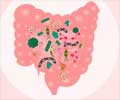
Small Intestine Bacterial Overgrowth (SIBO) | Blind Loop Syndrome
Small intestine bacterial overgrowth (SIBO) refers to the excess growth of bacteria in the small intestine. This excessive bacterial growth affects the activity of the intestine and results in malnutrition.
Small intestine bacterial overgrowth (SIBO) refers to the excess growth of bacteria in the small intestine. This excessive bacterial growth affects the activity of the intestine and results in malnutrition.
In each patient with the IFIH1 mutation, the MDA5 proteins only partially worked, giving rise to improper activation of the immune system that could trigger the inflammation that leads to Very-Early-Onset-Inflammatory Bowel Disease.

Foul Smelling Stool
Foul smelling stool is a stool that has a bad odor. Poor diet and indigestion are the most common causes of smelly stool although, it can also occur due to various underlying disease conditions.
Foul smelling stool is a stool that has a bad odor. Poor diet and indigestion are the most common causes of smelly stool although, it can also occur due to various underlying disease conditions.
The team hopes their findings will provide some new insights for clinicians to pinpoint the genetic cause of the disease and inform treatment options to the patients. The work was supported by a grant from the National Human Genome Research Institute and funding from the Intramural Research Program of the National Institute of Allergy and Infectious Diseases at the National Institutes of Health.
Source-Medindia
 Email
Email