MEDINDIA
 English
 हिन्दी
 Español
 français
 中文
中文
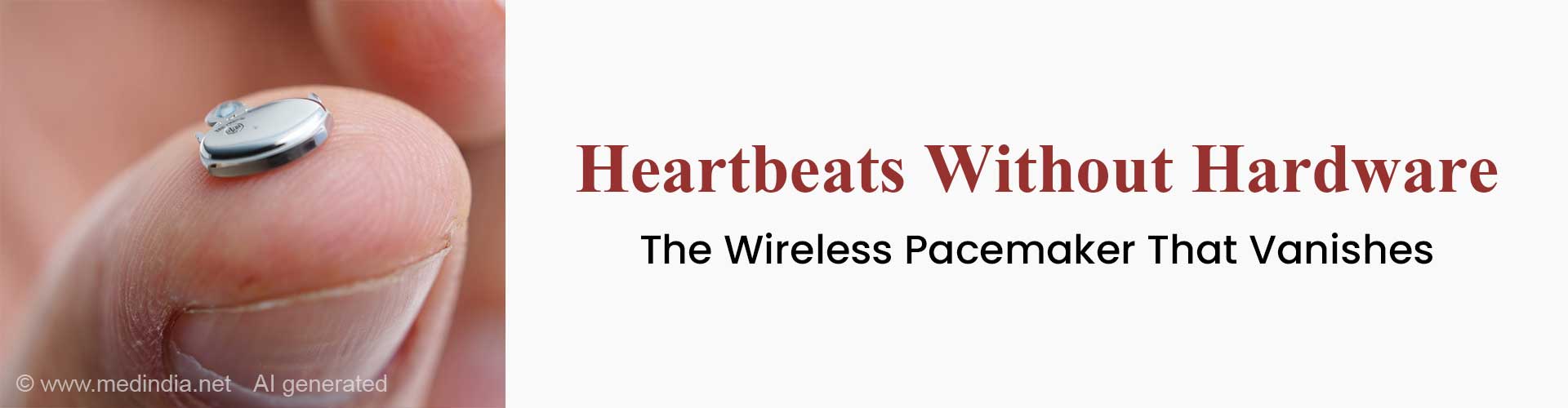
Heart surgery has evolved—this grain-sized pacemaker needs no wires, no surgery, and no removal.
Highlights:
Scientists from the United States have developed the smallest pacemaker, which is smaller than a rice grain? This smart device naturally dissolves inside the body after its programming task ends, thus reducing patient risk, recovery time, and surgical procedure complications.
- Pacemaker that dissolves inside the body without requiring risky removal surgeries
- Light-sensitive devices delivered via needles—no scars, no wires
- Eliminating the need for extensive surgery with the newest pacemaker
World's Smallest Pacemaker to be Launched in Europe, Does Not Require Cardiac Leads
Micra pacemaker can be connected directly with the heart and has a 10-year battery life. It is also approved for full body MRI scans.
Micra pacemaker can be connected directly with the heart and has a 10-year battery life. It is also approved for full body MRI scans.
TOP INSIGHT

Did you know?
This pacemaker is so small, it can be injected with a needle—and it vanishes once it’s done!
#cardiology #medindia
Grain-Sized Pacemaker That Melts Away!
Modern cardiac pacing systems received substantial advancements through the development of small wireless pacemakers. The Nature Communications study published significant findings about fully implantable pacemakers that operated through near-field energy exchange mechanisms tested on tiny animal subjects, unlocking the potential for self-powered cardiac technologies. This breakthrough finding influenced the incorporation of dissolvable components inside the pacemaker, eliminating the barriers faced with traditional devices (1✔ ✔Trusted SourceAn up-to-date review of cardiac pacemakers and implantable cardioverter defibrillators
Go to source).
The wireless pacemaker is battery-free, transmitting infrared light via the skin surface. Small, light-sensitive electronic circuits built into the system enable it to receive and process external light signals used for real-time heart rhythm adjustments. The technology removes the requirement for heavy batteries and hazardous wires that commonly appear inside conventional devices. The pacemaker fits seamlessly onto heart surfaces through its thin, flexible construction for precise electrical pulse delivery.

Cardiac Arrest - Causes, Symptoms, Risk factors, Complications, Diagnosis, Treatment, Prevention
Cardiac arrest occurs when the heart stops beating abruptly due to an electrical malfunction. Blood flow to vital organs is cut off causing unconsciousness.
Cardiac arrest occurs when the heart stops beating abruptly due to an electrical malfunction. Blood flow to vital organs is cut off causing unconsciousness.
Why It’s Game-Changing?
Traditional pacemakers are effective, but they frequently result in adverse effects, including infections and dislodged lead, which require extra operations to remove them. That’s where the dissolvable pacemaker system comes into play!The device exists to dissolve naturally within weeks while simultaneously decreasing hospitalization time and lowering medical expenses and surgical procedures. Medical professionals have identified this temporary, non-invasive option as potentially lifesaving for patients who need post-cardiac surgery support particularly among newborns and infants born with congenital defects.
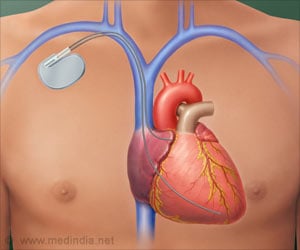
Now, Functional Heart Pacemaker Cells From Stem Cells
The human pacemaker cells were shown to function as a biological pacemaker, by activating the electrical impulses.
The human pacemaker cells were shown to function as a biological pacemaker, by activating the electrical impulses.
Engineering a Medical Marvel
Biodegradable materials like magnesium, silicon, and polymers form the core structure of the device. Engineers program these components to erode at specific release rates, which determine the patient requirements. The medical device exhibited reliable and safe performance throughout all preclinical tests conducted on small animals. Such an accomplishment within this bioelectronic and transient medical device demonstrates how medicine can benefit from nanotechnology integration!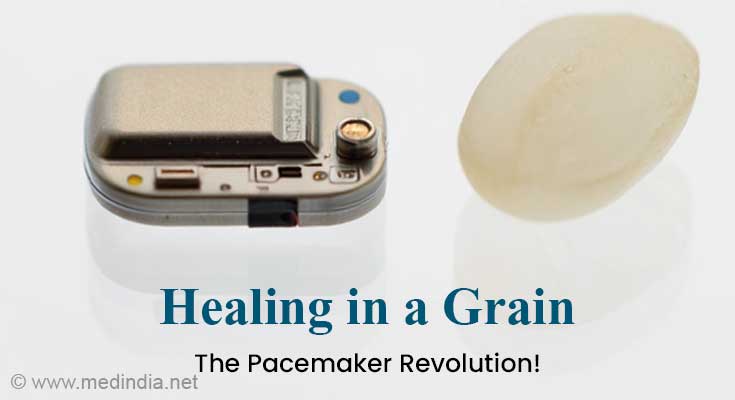

Calculate Your Lifetime Risk of Heart Attack
Heart Risk Calculator assesses the lifetime risk for a heart attack and helps in making the right lifestyle choices to protect your heart.
Heart Risk Calculator assesses the lifetime risk for a heart attack and helps in making the right lifestyle choices to protect your heart.
Future Potential and Clinical Trials
Researchers tested the pacemaker using animal subjects before moving to human trials. This innovation presents the potential to transform the global cardiac care system, which is particularly beneficial for neonatal and pediatric care as permanent devices face challenges related to size and growth requirements. This light-based control system demonstrates the potential of its technology, extending its usefulness in neuromodulation therapy and soft-tissue interventions.The dissolvable pacemaker delivered through injection has the potential to revolutionize temporary heart rhythm correction by providing safer and less invasive recovery along with quick treatment procedures. This clinical trial breakthrough is drawing global attention and may mark a new milestone in cardiac medicine.
Reference:
- An up-to-date review of cardiac pacemakers and implantable cardioverter defibrillators - (https://pubmed.ncbi.nlm.nih.gov/34472707/)
Source-Medindia
 Email
Email