MEDINDIA
 English
 हिन्दी
 Español
 français
 中文
中文
High intensity physical activity in early life leads to stronger bones in adulthood, stated new research.
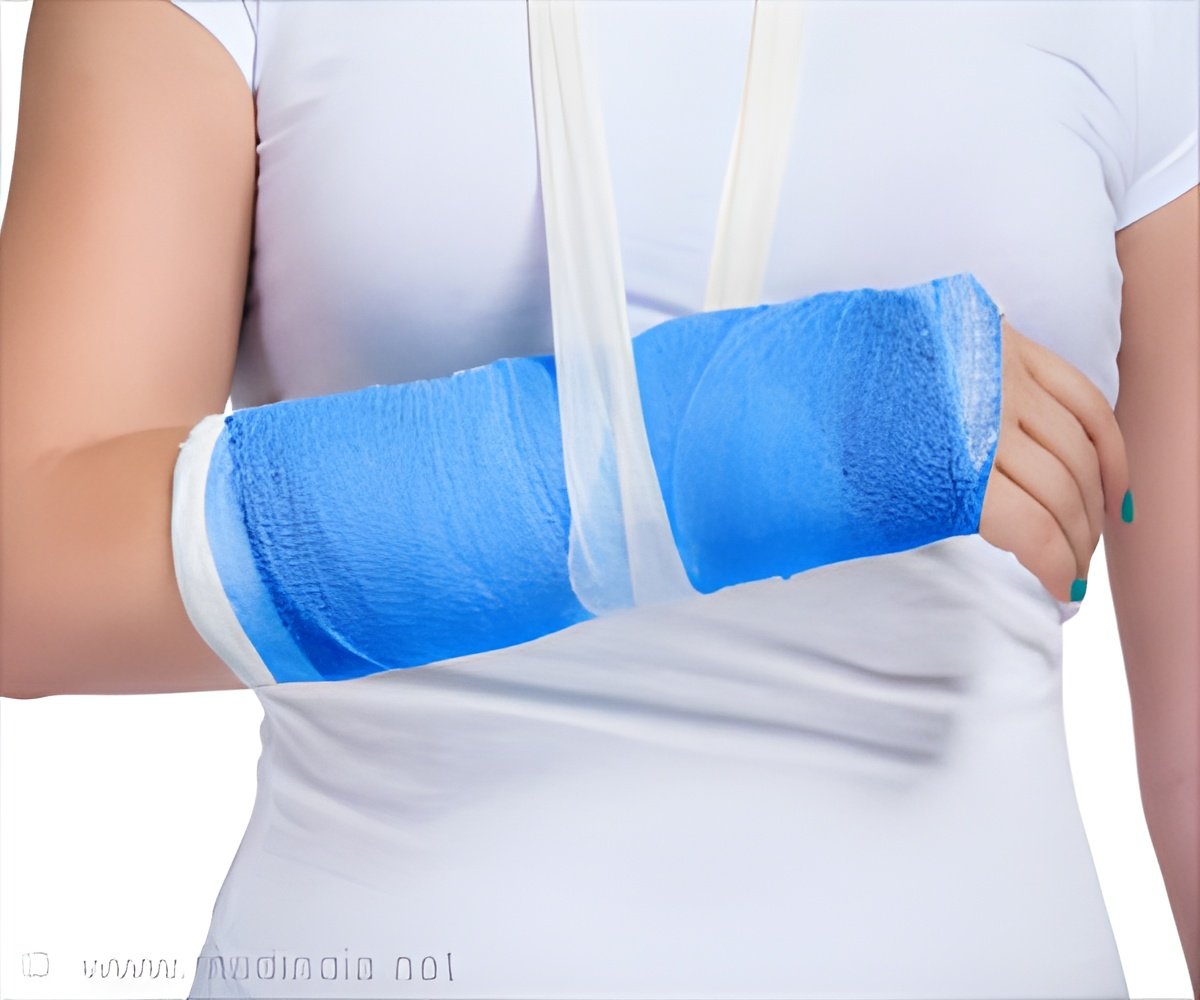
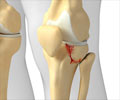
Tibial Plateau | Bumper Fracture - Symptoms, Causes, Treatment, Diagnosis
Tibial plateau is a critical load-bearing area on the upper surface of the tibia. Tibial plateau/bumper fracture occurs at the top of the shin bone and involves the cartilage area of the knee joint.
Tibial plateau is a critical load-bearing area on the upper surface of the tibia. Tibial plateau/bumper fracture occurs at the top of the shin bone and involves the cartilage area of the knee joint.
TOP INSIGHT

Peak bone mass occurs in young adulthood and is considered to be a marker of the risk of fracture and osteoporosis in later life. Hip fractures make up a large proportion of the osteoporosis disease burden.
Dr Ahmed Elhakeem, lead author and Senior Research Associate in Epidemiology, said: "The unique availability of repeated accelerometer assessments over many years beginning at age 12 within the Children of the 90s cohort, allowed us to describe the trajectory of time spent in different physical activity intensities through early life and to examine how this might relate to adult hip strength. The results highlight adolescence as a potentially important period for bone development through high intensity exercise, which could benefit future bone health and prevent osteoporosis in later life. We have also confirmed other studies showing that levels of MVPA decline through adolescence. Our findings show it is really important to support young people to remain active at this age"
Francesca Thompson, Clinical and Operations Director at the Royal Osteoporosis Society (ROS), said: "The ROS is working closely at the moment with Public Health England to review the importance of exercise for bone health in children. The findings from this study are welcome as they provide further evidence that children need to be doing moderate to vigorous intensity physical activity during their early adolescence to maximise bone strength in later life and reduce the risk of painful fractures. Supporting and encouraging young people to be more physically active needs to be a priority for bone as well as general health."

Quiz on Fractures
A fracture, or a broken bone, is a common consequence of falls and motor vehicle accidents. The following quiz will help you to have a better understanding of the different types, causes and treatments of fractures. Take this quiz to find out how much you already know about fractures.
A fracture, or a broken bone, is a common consequence of falls and motor vehicle accidents. The following quiz will help you to have a better understanding of the different types, causes and treatments of fractures. Take this quiz to find out how much you already know about fractures.
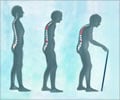
Osteoporosis Risk Chart
Osteoporosis (Bone Disease) Risk Chart predicts your risk of developing osteoporosis that leads to brittle bones and fracture. Diet rich in calcium and vitamin D prevents osteoporosis.
Osteoporosis (Bone Disease) Risk Chart predicts your risk of developing osteoporosis that leads to brittle bones and fracture. Diet rich in calcium and vitamin D prevents osteoporosis.

Top Foods for Strong Bones
As we get older, our bones start becoming weak, especially in women after menopause. To keep your bones strong, here is the list of recommended top foods.
As we get older, our bones start becoming weak, especially in women after menopause. To keep your bones strong, here is the list of recommended top foods.
 Email
Email