MEDINDIA
 English
 हिन्दी
 Español
 français
 中文
中文
Tiny plastics (<5mm) modify a key group of bacterial families, raise acidity, and indirectly increase colorectal cancer risk.
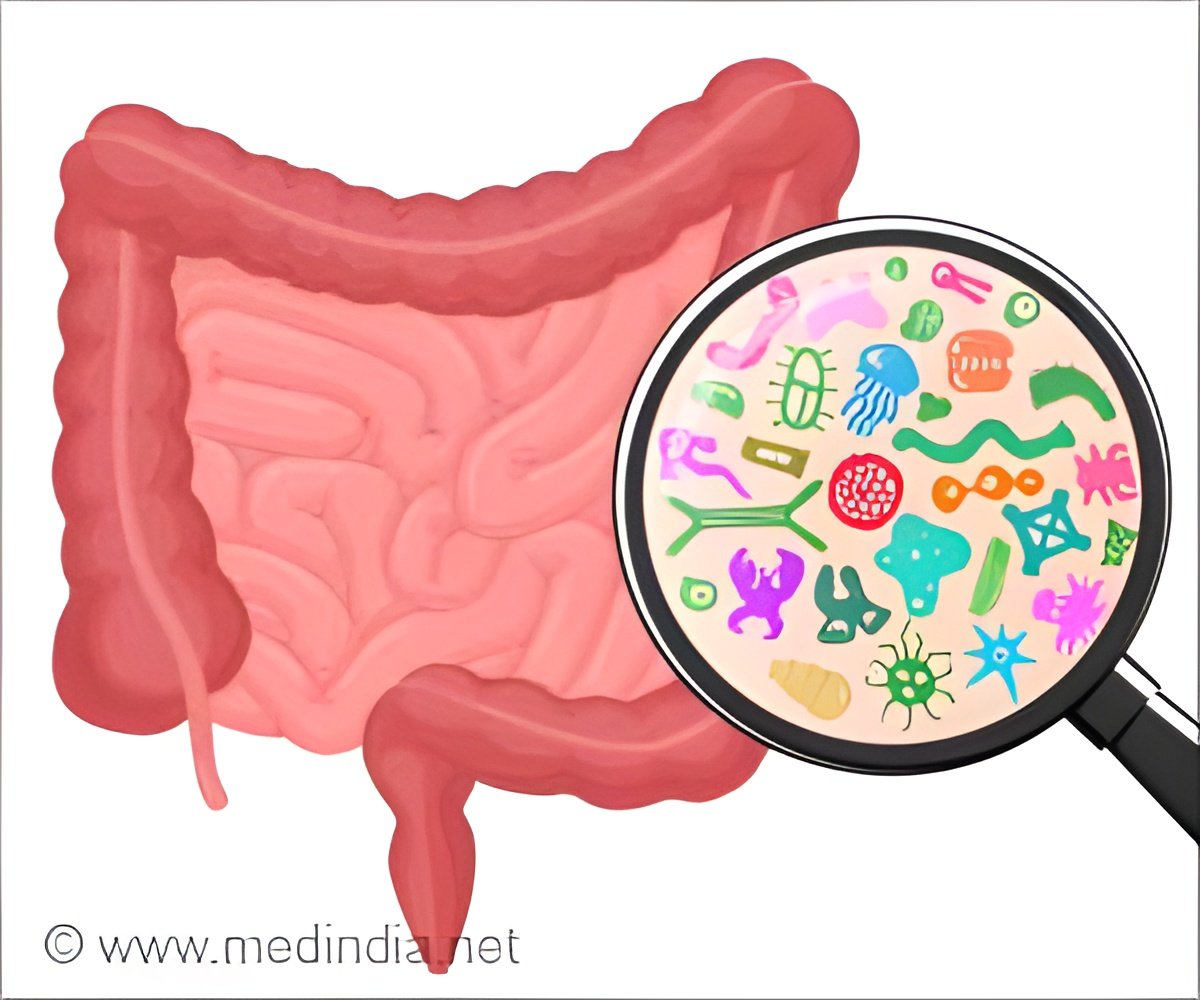
Microplastics found to change gut microbiome in first human-sample study
Go to source). The findings were according to a cutting-edge study presented at UEG Week 2025. It is one of the first studies, conducted by the microONE project, to show how different types of tiny plastic particles may influence gut bacteria, highlighting risks in a health context and emphasizes the need for further investigations.

Quiz on Gut Microbiome
Step into the vast realm of the gut microbiome with our interactive quiz! Ever wondered about the billions of microorganisms thriving in your digestive system? This quiz is designed to help you understand about the ...
Step into the vast realm of the gut microbiome with our interactive quiz! Ever wondered about the billions of microorganisms thriving in your digestive system? This quiz is designed to help you understand about the ...
TOP INSIGHT

Did You Know?
Disruption in #gut bacterial constitution affects #digestive and #mental_health adversely. Reducing #microplastic exposure could help safeguard holistic health. #microplastics #guthealth #digestivehealth #mentalhealth #medindia
How Microplastics Alter Microbial Metabolic Activity
The study used stool samples from five healthy volunteers to grow ex vivo gut microbiome cultures. These cultures were then exposed to five common microplastic types – polystyrene, polypropylene, low-density polyethylene, poly(methyl methacrylate) and polyethylene terephthalate – at concentrations reflecting estimated human exposure, as well as higher doses to investigate potential dose-dependent effects.While total and viable bacterial cell counts remained largely unchanged, microplastic-treated cultures showed a consistent and significant increase in acidity (lower pH levels) compared to controls, indicating altered microbial metabolic activity.

Gut Bugs Vs. Microplastic: The Hidden Connection with Childhood Obesity
Discover how BPA exposure alters gut microbiota in children, potentially leading to obesity. Learn about the unique bacterial strains that combat BPA's effects.
Discover how BPA exposure alters gut microbiota in children, potentially leading to obesity. Learn about the unique bacterial strains that combat BPA's effects.
The Complex Interplay of Plastics, Bacteria, and Gut Chemistry
Further analysis revealed microplastic-specific shifts in bacterial composition, with certain bacterial groups increasing or decreasing depending on the microplastic type.Changes were observed across several bacterial families, including Lachnospiraceae, Oscillospiraceae, Enterobacteriaceae and Ruminococcaceae, with the majority occurring within the phylum Bacillota – a key group of gut bacteria important for digestion and overall gut health.
These shifts in bacterial composition were accompanied by changes in the chemicals produced by the bacteria, some of which corresponded with the observed decreases in pH. Certain microplastic types altered levels of valeric acid and 5-aminopentanoic acid, while others affected lysine or lactic acid, highlighting the complexity of microplastic-microbiome interactions.
Gut Microbiome Could be One of the Reasons Behind Longevity: Study
Unique microbes in the gut could help fight against infectious agents and reduce the chances of inflammatory conditions. Centenarians carry these kinds of good microbes in higher numbers, found a study.
Unique microbes in the gut could help fight against infectious agents and reduce the chances of inflammatory conditions. Centenarians carry these kinds of good microbes in higher numbers, found a study.
Acid Production by a Bacterial Stress Response
Importantly, some of these microplastic-induced changes in microbial composition reflected patterns previously linked to diseases such as depression and colorectal cancer2-5, underscoring the potential implications of microplastic exposure for disease risk.Commenting on the underlying mechanisms behind this effect, lead author Christian Pacher-Deutsch explained, “At this stage, the exact pathways remain unclear, but several plausible explanations are emerging.”
“Microplastics may change microbial composition by creating physical or chemical environments that favour certain bacteria. For instance, biofilms can form on microplastic surfaces, providing new niches that some microbes colonise more rapidly.”
He added, “Microplastics may also carry chemical substances that directly influence bacterial metabolism. This can lead to changes in acid production, which may serve as a bacterial stress response, unintentionally altering the gut’s pH. These shifts could then trigger feedback loops that further affect the balance of the microbiome.”
How can Gut Microbes Impact Our Digestive Health?
Depleted gut microbes following antibiotics and high-fat diets might lead to sorbitol intolerance, states a new study.
Depleted gut microbes following antibiotics and high-fat diets might lead to sorbitol intolerance, states a new study.
A Wise Precaution: Reducing Daily Plastic Exposure
Reflecting on the broader implications of the study, Pacher-Deutsch said, “These findings are significant given how pervasive microplastic exposure is in everyday life.Microplastics have been found in fish, salt, bottled water, and even tap water, meaning that most people are exposed daily through ingestion, inhalation and skin contact.”
“The key takeaway is that microplastics do have an impact on our microbiome. While it’s too early to make definitive health claims, the microbiome plays a central role in many aspects of well-being, from digestion to mental health. Reducing microplastic exposure where possible is therefore a wise and important precaution,” he concluded.
Reference:
- Microplastics found to change gut microbiome in first human-sample study - (https://ueg.eu/a/374)
Source-Eurekalert
 Email
Email