MEDINDIA
 English
 हिन्दी
 Español
 français
 中文
中文
Our approach is concept-based and can be applied not only to artificial blood vessels, but to any kind of implants, says researchers from ITMO University, Russia.
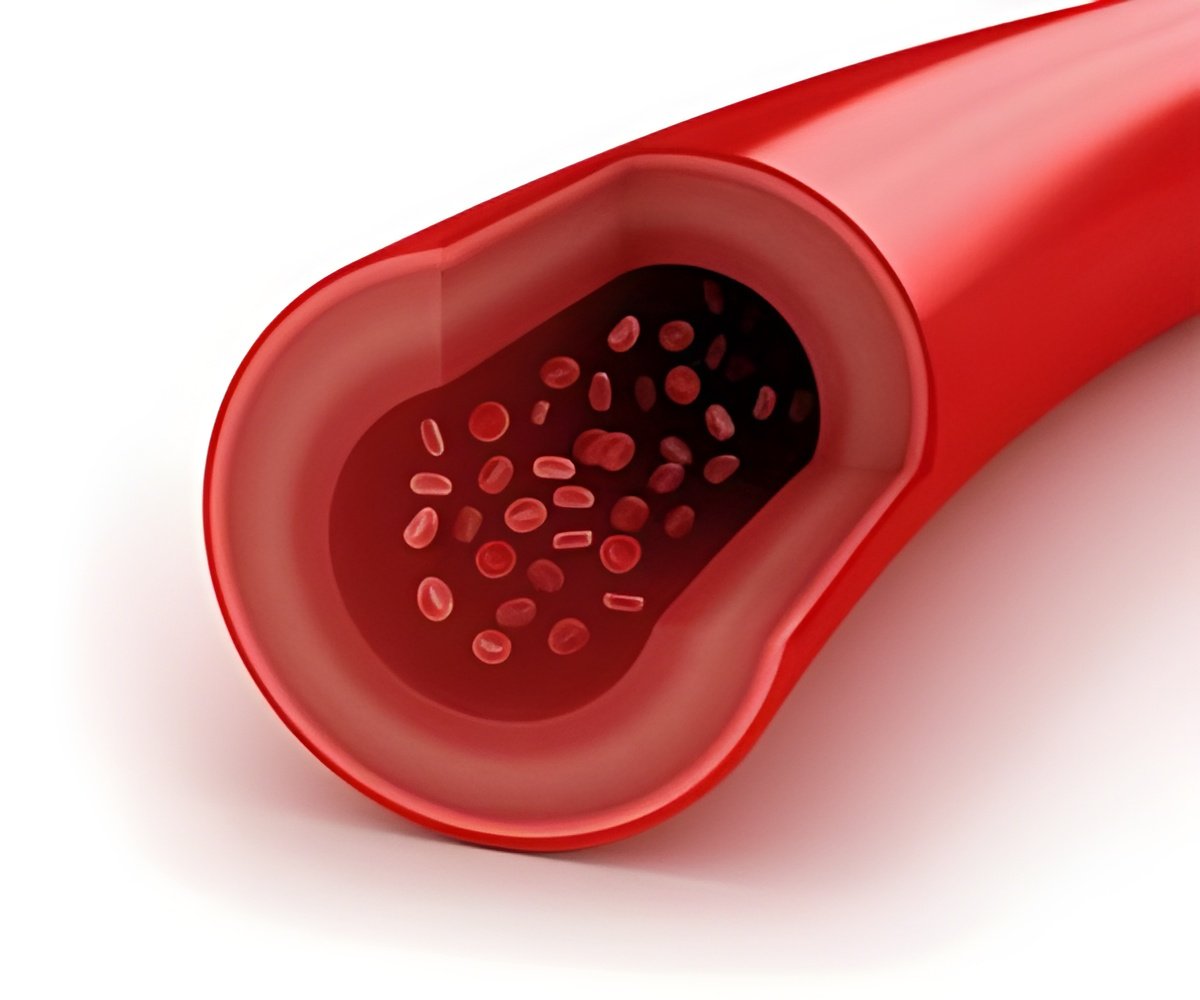

High Blood Pressure
High blood pressure or hypertension is defined as a blood pressure of above 140 mm Hg (systolic) and or 90mm Hg (diastolic).
High blood pressure or hypertension is defined as a blood pressure of above 140 mm Hg (systolic) and or 90mm Hg (diastolic).
"In order to test how our improved vascular graft worked, we grew an artificial clot made of blood plasma mixed with thrombin and placed it inside the graft. The results of the experiment amazed us. Very soon the clot started to dissolve and leak through the graft.
In reality, our coating would destroy clots at the stage of formation, constantly ensuring an unobstructed blood flow in the graft," said Yulia Chapurina, laboratory researcher and first author of the paper, who set up several in vitro experiments to demonstrate just how effective the film is.
Green Blood Therapy
Wheat grass like all green plants, due to a high content of chlorophyll is high in oxygen too. The brain and all body tissues function at optimal levels only in a highly-oxygenated environment.
Wheat grass like all green plants, due to a high content of chlorophyll is high in oxygen too. The brain and all body tissues function at optimal levels only in a highly-oxygenated environment.
The lifetime of such grafts is often determined by the amount of drug stored within the graft. The new system is based on the entrapment of the drug inside a porous protective shell, which makes the lifetime of such a graft practically unlimited.
High Blood Pressure | Hypertension - Causes, Symptoms, Diagnosis & Treatment
High blood pressure or hypertension is a chronic condition, which usually lasts a lifetime once it is developed.
High blood pressure or hypertension is a chronic condition, which usually lasts a lifetime once it is developed.

High Blood Pressure and Herbs � Garlic � Arjuna � Indian Snakeroot � Olive
Drug intervention need not be the only option to help lower your moderately high blood pressure. Lifestyle changes along with herb remedies such as garlic, arjuna, sarpagandha, and olive can serve the purpose.
Drug intervention need not be the only option to help lower your moderately high blood pressure. Lifestyle changes along with herb remedies such as garlic, arjuna, sarpagandha, and olive can serve the purpose.
 Email
Email