MEDINDIA
 English
 हिन्दी
 Español
 français
 中文
中文
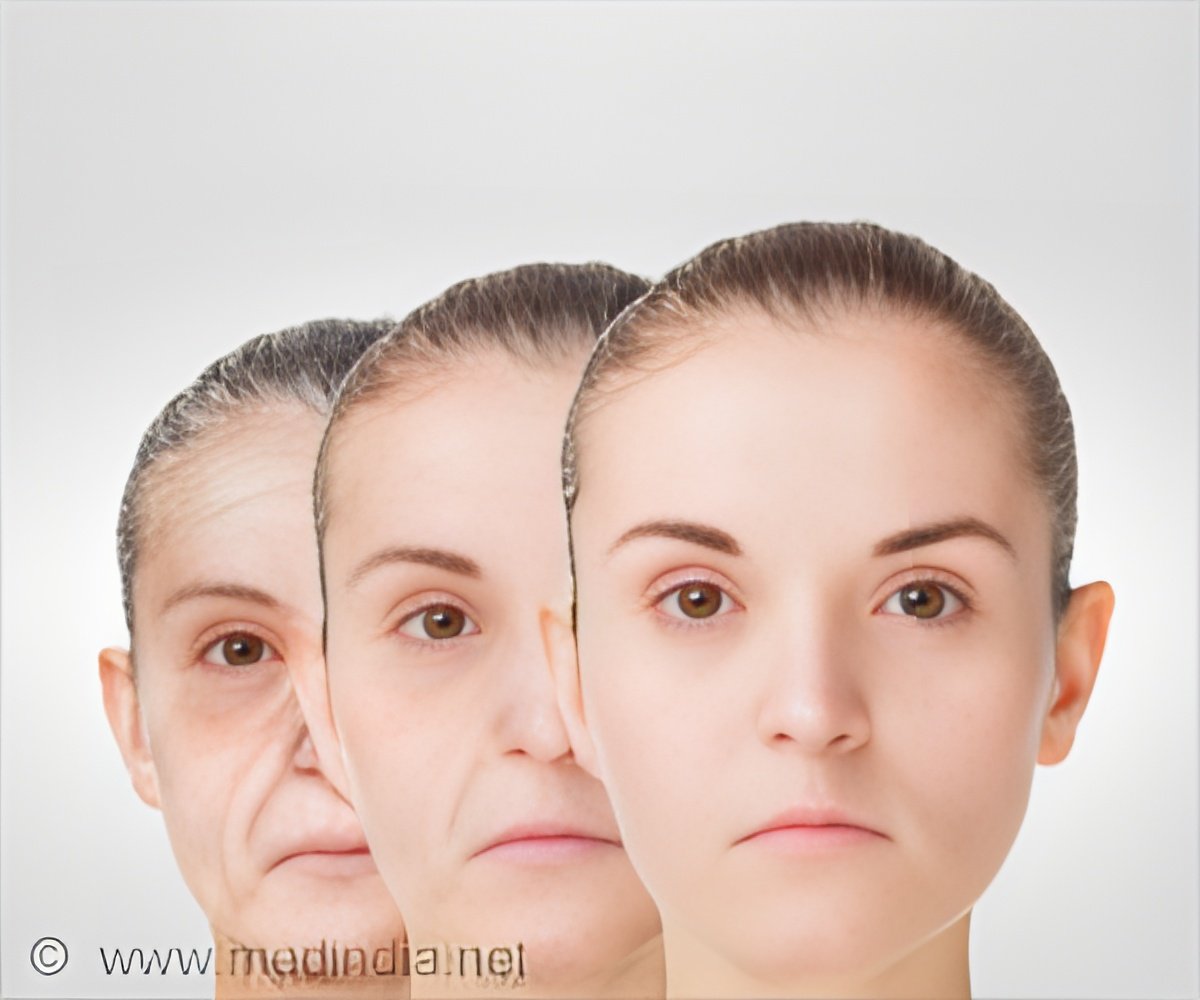
As life expectancy have increased, so too have the years that people remain healthy, active, and productive breaking the benchmark of old age as 65.

Anti-Aging Treatment with Vinotherapy or Wine Facials
Experience the bliss of vinotherapy - the power of grapes for a kissable skin.
Experience the bliss of vinotherapy - the power of grapes for a kissable skin.
TOP INSIGHT

Based on probabilistic projections,population aging would peak and begin declining well before the end of the century for China, Germany, and the USA.
Traditional population projections categorize "old age" as a simple cutoff at age 65. But as life expectancy have increased, so too have the years that people remain healthy, active, and productive.
In the last decade, IIASA researchers have published a large body of research showing that the very boundary of "old age" should shift with changes in life expectancy, and have introduced new measures of aging that are based on population characteristics, giving a more comprehensive view of population aging.
Pomegranate and Its Role in Anti-aging
Ruby red among fruits, pomegranate, has numerous health benefits. It also plays an important role in anti-aging because of its high antioxidant content.
Ruby red among fruits, pomegranate, has numerous health benefits. It also plays an important role in anti-aging because of its high antioxidant content.
"Both of these demographic techniques are relatively new, and together they give us a very different, and more nuanced picture of what the future of aging might look like," says Warren Sanderson, a researcher at IIASA and Stony Brook University in the USA.

Oral Care Tips for Aging Teeth
Good oral hygiene habits should be maintained as you age so as to prevent oral health problems and to have a healthy smile that looks great even during old age.
Good oral hygiene habits should be maintained as you age so as to prevent oral health problems and to have a healthy smile that looks great even during old age.
For China, Germany, and the USA, the study showed that population aging would peak and begin declining well before the end of the century. Iran, which had an extremely rapid fall in fertility rate in the last 20 years, has an unstable age distribution and the results for the country were highly uncertain.

Anti-aging Secrets to a Younger You-Wrinkles Creams-Super Foods-Simple Tips-FAQs
Is there anyone in this world who fails to be swayed by the magic of youth? None, for when youth explodes joyously all Nature smiles!
Is there anyone in this world who fails to be swayed by the magic of youth? None, for when youth explodes joyously all Nature smiles!
Source-Eurekalert
 Email
Email