MEDINDIA
 English
 हिन्दी
 Español
 français
 中文
中文
The selective insecticide sulfoxaflor is just as effective at controlling soybean aphids as broad-spectrum insecticides, revealed a new study.


Insecticide-Based Drugs may Kill Sand Flies and Combat Leishmaniasis Infection
Treating cattle with the long-lasting insecticide, fipronil, could substantially reduce visceral leishmaniasis in areas where people and cattle live in proximity.
Treating cattle with the long-lasting insecticide, fipronil, could substantially reduce visceral leishmaniasis in areas where people and cattle live in proximity.
TOP INSIGHT

The selective insecticide sulfoxaflor is just as effective at controlling soybean aphids as broad-spectrum insecticides, without causing significant harm to some beneficial predators of the aphid.
Last fall, the U.S. Environmental Protection Agency (EPA) issued a cancellation order for products containing sulfoxaflor after the Ninth Circuit Court of Appeals ruled that the EPA had not adequately determined the pesticide's effect on honey bees. The EPA had approved the use of sulfoxaflor in May 2013. Currently, the Agency has proposed registration of sulfoxaflor with restrictions on application to pollinator-attractive crops, while it gathers more scientific information on the effects of sulfoxaflor on bees.
The researchers conducted field experiments for two years, and they also performed laboratory experiments with three predators: the convergent lady beetle (Hippodamia convergens), the insidious flower bug (Orius insidiosus), and a green lacewing known as Chrysoperla rufilabris.
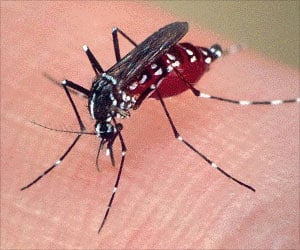
New Mosquito-Targeting Antibody Insecticide Offers Hope of 'Malaria-Free' Future
Recent progress in halting the spread of malaria has hinged on the use of insecticide-treated bed nets and spraying programs that kill mosquitoes.
Recent progress in halting the spread of malaria has hinged on the use of insecticide-treated bed nets and spraying programs that kill mosquitoes.
The sulfoxaflor effects were considered moderately harmful to O. insidiosus, harmless to slightly harmful to H. convergens and harmless to C. rufilabris, according to ratings by the International Organization for Biological Control.

Insecticide Resistance Remains a Threat to Malaria Control
Insecticide-treated nets can prevent malaria despite mosquitoes developing resistance to the substances used on the nets, a study says.
Insecticide-treated nets can prevent malaria despite mosquitoes developing resistance to the substances used on the nets, a study says.

Environmentally Friendly Insecticides from Spider Toxins
A new way to protect crops from insect plagues in a safe and environmentally responsible way could be possible, after using spider toxins to study nerve proteins.
A new way to protect crops from insect plagues in a safe and environmentally responsible way could be possible, after using spider toxins to study nerve proteins.
 Email
Email