MEDINDIA
 English
 हिन्दी
 Español
 français
 中文
中文
Previously under-reported adverse impact of readily treatable tropical rickettsial illnesses on pregnancy outcomes is highlighted in a recent study from the Thai-Myanmar border.
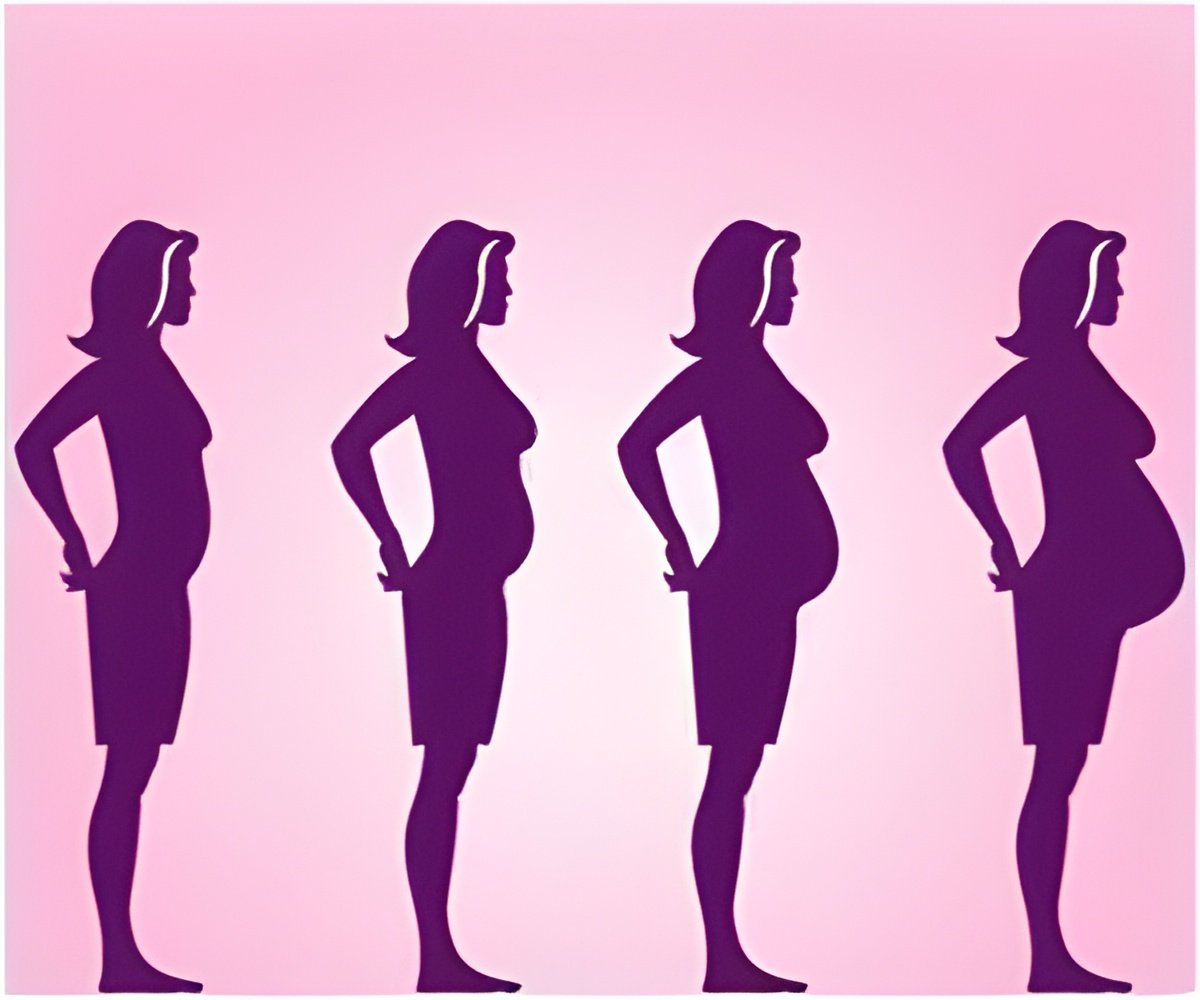

Early Signs of Pregnancy | Pregnancy - Early Signs
Pregnant or not pregnant? Catch on to the early pregnancy signs and symptoms and replace suspense with relief.
Pregnant or not pregnant? Catch on to the early pregnancy signs and symptoms and replace suspense with relief.
The study reviewed nearly 20 years of published literature and included the results of a pregnancy fever cohort from the Thai-Myanmar border, which found that for pregnant women with rickettsial infections, the proportion of poor neonatal outcome was 36%.
Overall, the proportion of miscarriage and poor neonatal outcomes were unexpectedly high at 17% (14/81) and 42% (28/67), respectively and an association between increased adverse outcomes and longer duration of fever (p=0.050, linear trend) was noted. Poor neonatal outcomes were observed with all antimicrobials prescribed, and the use of azithromycin, the currently recommended anti-rickettsial drug, was not significantly associated with improved neonatal outcomes (p=0.610).
Drugs in Pregnancy & Lactation - What is Safe and What is Harmful
During pregnancy & lactation a nutritious diet, suitable exercise, adequate rest and a tranquil mind help both the mother and fetus and drugs hould be avoided.
During pregnancy & lactation a nutritious diet, suitable exercise, adequate rest and a tranquil mind help both the mother and fetus and drugs hould be avoided.
According to the authors, "Many infections that predominate in low-income countries, such as malaria, tuberculosis, hepatitis and rickettsiosis, fail to be counted in the causes of maternal and neonatal mortality in part due to the difficulty of making the diagnosis and weakness in data collecting systems. While maternal mortality from sepsis is reported to be on the decrease with recommendations for improved sanitation, death from 'sepsis' in tropical countries may be more complex than it first appears due to undiagnosed tropical disease."
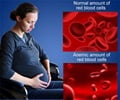
Anemia in Pregnancy - Causes Prevention Symptoms Diagnosis Treatment
Anemia is the commonest blood disorder that may occur in pregnancy and is usually due to low iron or folate reserves of the body and this is reflected as anemia.
Anemia is the commonest blood disorder that may occur in pregnancy and is usually due to low iron or folate reserves of the body and this is reflected as anemia.
Associated with the UK's Oxford University and based at MORU in Bangkok, Associate Prof Daniel H. Paris is a senior research physician and the co-ordinator for rickettsial research projects across an Asia-wide network. His major interests include all aspects of diagnostics and immune-pathophysiology of tropical rickettsiosis.
Source-Eurekalert
 Email
Email